

My Journey Toward Self-Aware Learning
Metacognition—the awareness and understanding of one's own thought processes—has been a transformative concept in my learning journey. Discovering metacognition opened my eyes to the importance of not just what I learn, but how I learn. This self-awareness has profoundly impacted my approach to education and personal growth.
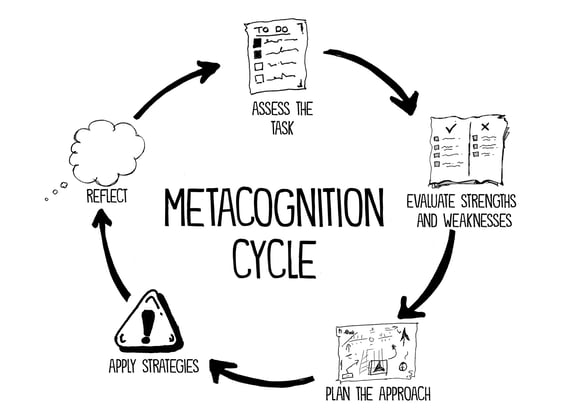
My Understanding of Metacognition
To me, metacognition is like having an internal guide that helps me navigate the learning process. It's about being mindful of my thoughts, recognizing my learning patterns, and understanding when and why certain strategies work for me.
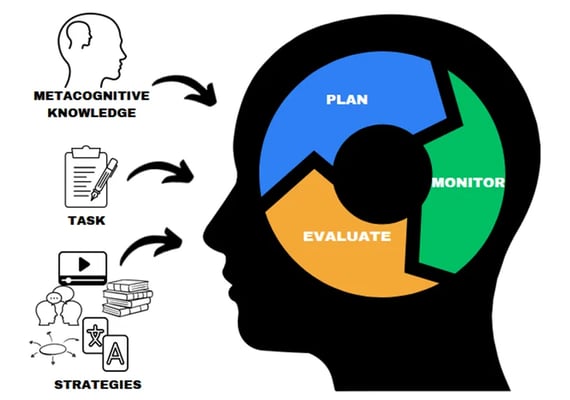
Instead of passively absorbing information, metacognition encourages me to actively engage with material, question my understanding, and adjust my methods accordingly. It's a continual process of planning, monitoring, and evaluating my learning experiences.
How Metacognition Has Shaped My Learning
Before embracing metacognition, I often studied without much reflection, leading to surface-level understanding. Now, I consciously:




Becoming an Active Learner
Plan my approach: Before starting a new topic, I consider what I already know and decide the best way to learn.
Monitor my progress: I check in with myself to see if I'm comprehending the material.
Evaluate my strategies: After studying, I reflect on what worked and what didn't.
Overcoming Procrastination
Metacognition has also helped me address procrastination. By understanding the reasons behind my avoidance—such as fear of failure or feeling overwhelmed—I can tackle the root causes. I break tasks into smaller, manageable parts and set specific goals, which makes starting and completing assignments less daunting.
I feel fortunate to have learned about metacognition under Rosanne's guidance, as it has provided me with valuable insights to address my own challenges. However, I realize that simply knowing the solution isn't enough. Implementing these strategies and transforming them into my own study habits is a process that takes time. Despite my best efforts, this assignment is still late. This experience has shown me that understanding metacognition is just the first step; the real growth comes from consistently applying it in my daily life. I'm committed to being patient with myself as I continue to develop these new habits.
Personal Experiences and Feelings
Navigating Complex Subjects
The Emotional Impact of Metacognition
Applying Metacognition Beyond Academics
Understanding my thought processes has increased my confidence. I no longer feel lost when faced with difficult material because I have a toolkit of strategies to draw from. This empowerment has made learning more enjoyable and less stressful.
Building Confidence
When I encountered challenging subjects, like advanced programming concepts, I initially felt frustrated. Metacognition taught me to:
Acknowledge my feelings: Recognize that frustration is a natural part of learning something new.
Adapt my strategies: Switch to different learning methods, such as hands-on practice or discussing with peers.
Celebrate small victories: Appreciate progress, no matter how minor, which boosts my motivation.
Embracing metacognition has been liberating. It has:
Reduced Anxiety: By actively engaging with my learning process, I feel more in control and less anxious about outcomes.
Enhanced Satisfaction: There's a deep sense of satisfaction in understanding not just the material but also how I arrived at that understanding.
Fostered Growth: Recognizing that I can improve my learning strategies motivates me to take on new challenges.
Metacognition isn't limited to academic learning; it's also influenced other areas of my life:
Professional Development: At work, I reflect on my problem-solving approaches, which improves my efficiency and effectiveness.
Personal Relationships: Understanding my communication patterns helps me interact more thoughtfully with others.
Life Decisions: Being aware of my thought processes aids in making more informed and deliberate choices.
Looking Ahead
Metacognition has become an integral part of who I am as a learner and a person. It has taught me that learning is not just about accumulating knowledge but also about understanding oneself. This self-awareness fosters resilience, adaptability, and a lifelong love of learning.


I feel excited about the future, knowing that I have the tools to navigate any learning challenge that comes my way. Metacognition has not only enhanced my educational experiences but also enriched my personal and professional life.

Metacognitive Mastery
Reflecting on my journey with metacognition fills me with a sense of accomplishment and optimism. It reminds me that the key to effective learning lies within us—in our ability to understand and guide our own minds. I am grateful for this awareness and eager to continue growing through conscious, reflective learning.