

Embracing Self-Directed Learning
In a world that's constantly evolving, the ability to direct our own learning has become more important than ever. Self-directed learning empowers us to take control of our educational journeys, adapt to new challenges, and continuously grow. I'd like to share my understanding and experiences with self-directed learning, and how it has shaped my approach to personal and professional development.
Self-Directed Learning
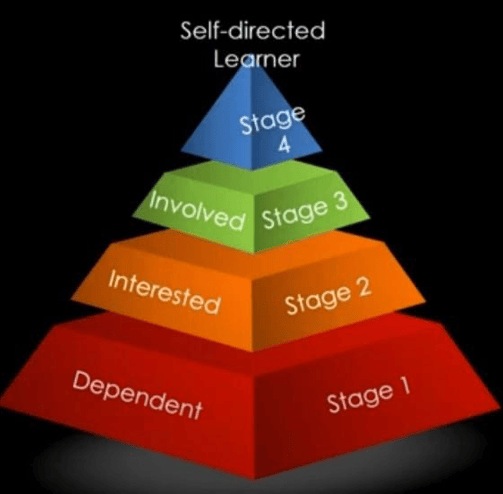
Self-directed learning is a process in which individuals take the initiative to diagnose their learning needs, set goals, identify resources, choose and implement learning strategies, and evaluate outcomes. It's about being proactive and responsible for one's own education, rather than relying solely on formal instruction.
Key Characteristics:
Autonomy: Taking charge of your learning decisions.
Self-Motivation: Driving your learning through internal motivation.
Goal Setting: Defining clear, achievable objectives.
Self-Assessment: Reflecting on progress and adjusting strategies accordingly.


Inspiring and transformative learning experience.
Alex Smith
"


For me, self-directed learning is more than a method—it's a mindset. It's about cultivating curiosity, embracing challenges, and being committed to continuous improvement. I see it as a journey where I am both the traveler and the guide, charting my path through the landscapes of knowledge and skill development.
The Role of Self-Directed Learning in My Life
Throughout my career as a programmer and in my personal pursuits, self-directed learning has been a constant companion. It has allowed me to:
Stay Relevant: In an industry that evolves rapidly, I've proactively learned new programming languages and frameworks.
Adapt and Overcome: Facing new challenges, I've sought out resources and taught myself the necessary skills to succeed.
Fuel Personal Growth: My curiosity has led me to explore diverse subjects, enriching my understanding of the world.
Strategies I Employ
in Self-Directed Learning
After engaging with the course "Becoming a Lifelong Learner," I've begun to consciously apply several learning strategies:
Spaced Repetition: Revisiting information over increasing intervals to enhance retention.
Active Recall: Testing myself on the material to reinforce memory.
Elaboration: Explaining concepts in my own words and connecting them to existing knowledge.
Interleaving: Mixing different topics or subjects during study sessions to improve problem-solving skills.
Dual Coding: Combining verbal and visual information to enhance understanding.
Concrete Examples: Applying abstract concepts to real-world situations to make them more relatable.


Overcoming Challenges in Self-Directed Learning
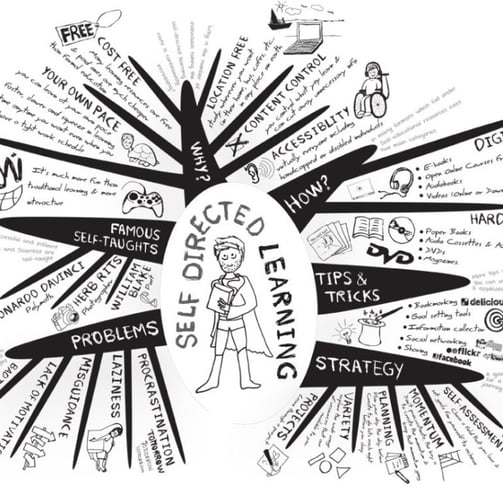
Self-directed learning isn't without its hurdles. I've encountered obstacles like:
Information Overload: Filtering vast amounts of information can be overwhelming.
Staying Motivated: Maintaining motivation over long periods requires discipline.
Self-Assessment: It can be challenging to accurately gauge progress without external feedback.
How I've Addressed Them:
Setting Clear Goals: Defining what I want to achieve helps focus my efforts.
Creating a Learning Plan: Organizing resources and scheduling study times keeps me on track.
Seeking Feedback: Engaging with instructors provides valuable insights.
Looking Ahead:
My Commitment to Lifelong Learning
Embracing self-directed learning has been transformative, and I'm committed to nurturing this approach moving forward. My goals include:
Continuous Skill Development: Keeping abreast of emerging technologies and methodologies.
Sharing Knowledge: Contributing to communities and helping others on their learning journeys.
Personal Enrichment: Exploring new fields of interest to broaden my horizons.


Self-directed learning has empowered me to take control of my growth and adapt in an ever-changing world. I encourage you to embark on your own journey of self-directed learning—embrace curiosity, set your goals, and discover the joy of learning on your own terms.