

Growth Mindset Insights
A Programmer’s Journey
A growth mindset—the belief that abilities can be developed through dedication and hard work—has been instrumental in shaping my approach to learning and problem-solving. In my 20+ years as a programmer, this mindset has enabled me to face challenges, adapt to new technologies, and continuously improve my skills. This page reflects my understanding of the growth mindset and how it has influenced both my personal and professional development.
Understanding Growth Mindset
In a programming career, technologies, tools, and methodologies are constantly evolving. The growth mindset fits perfectly into this dynamic environment. Instead of seeing intelligence or talent as static, a growth mindset teaches that with effort, new skills can be mastered, and challenges are opportunities for growth.
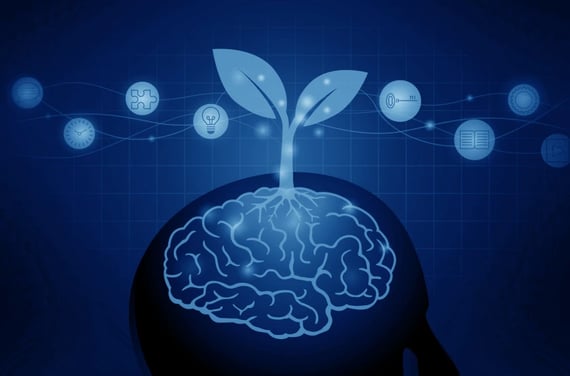

Core Ideas:
Embracing Challenges: A programmer’s work is filled with difficult problems. I’ve learned to view these as opportunities to deepen my knowledge.
Learning from Mistakes: Debugging is a natural part of coding. Rather than being frustrated by errors, I now see them as essential learning moments.
Valuing Effort: Tackling complex projects often requires persistence. A growth mindset emphasizes that effort is the path to mastery, and this has driven me to persist through challenges.
My Experience:
Applying Growth Mindset in Programming
The rapid pace of change in software development means that I’ve had to learn new languages and tools regularly. Instead of being intimidated, I now approach these learning opportunities with curiosity and excitement. For instance, when learning a new framework, I used to feel overwhelmed. But with a growth mindset, I understand that mastery will come with time and practice.


Throughout my career, adopting a growth mindset has allowed me to improve and expand my abilities as a programmer. Here are some specific ways it has impacted my work:
Embracing New Technologies:
Solving Complex Problems:
Every programming problem feels unique, and some seem unsolvable at first. In these moments, the growth mindset has taught me that struggle is part of the process. When faced with bugs or unclear requirements, I remind myself that every challenge is an opportunity to develop my skills further.
Feedback and Code Reviews:
In programming, peer reviews of code are common, and early in my career, receiving feedback was difficult. I often felt like it highlighted my weaknesses. However, adopting a growth mindset helped me see feedback as a tool for improvement. It’s not about being perfect but about continuously growing and refining my craft.
The Emotional Impact of Growth Mindset on My Learning
The growth mindset hasn’t just improved my technical skills—it has transformed how I feel about my learning:
Confidence in Facing Challenges: Previously, encountering a tough problem would make me doubt my abilities. Now, I see challenges as part of the process, and I feel confident that I can learn and overcome them.
Resilience in Long Projects: Programming projects often take longer than expected and can involve setbacks. The growth mindset has helped me stay patient and resilient through these difficult phases, focusing on incremental improvements.
Excitement for Continuous Learning: Technology is always changing, and there’s always something new to learn. This could feel overwhelming, but thanks to the growth mindset, I look forward to these opportunities with excitement rather than apprehension.


Adopting a growth mindset has been essential in my programming career. It has not only improved my technical skills but also shaped how I approach challenges and learning. I believe that with dedication and effort, anyone can grow, improve, and succeed—whether it’s mastering a new coding language or solving a complex problem.
By embracing the growth mindset, I am constantly reminded that progress, not perfection, is the key to long-term success. This philosophy will continue to guide me as I face new challenges in my work and beyond.